

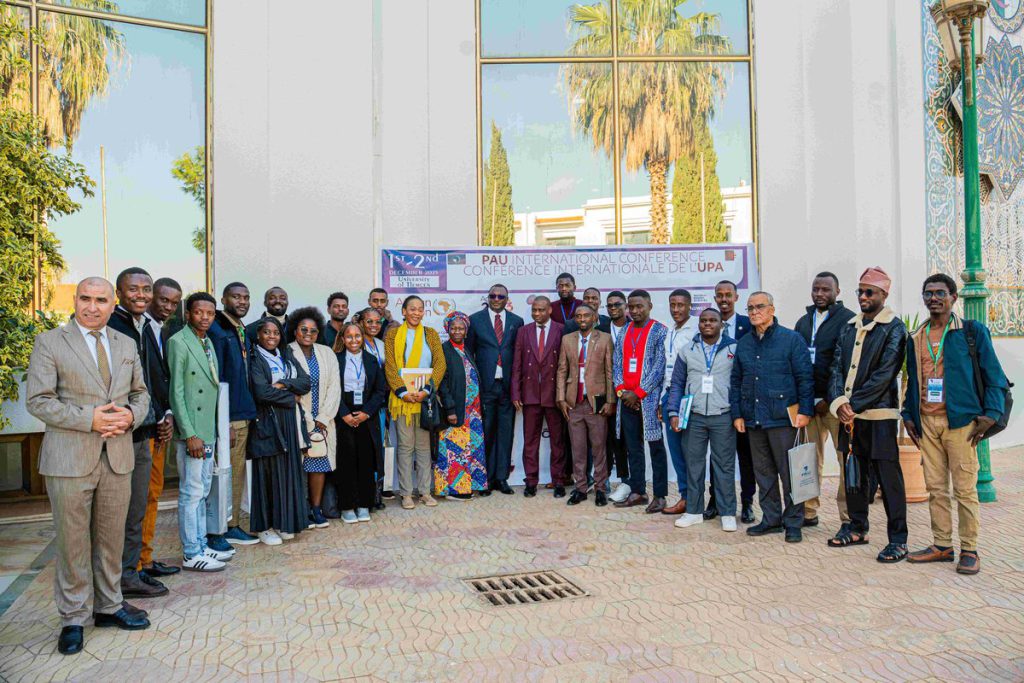
Emerging contaminants in water systems pose a growing threat to environmental integrity, public health, and long-term sustainability. The Second Pan African International Conference, held from 1st to 2nd December 2025 at the University of Tlemcen, Algeria, provided a key forum for researchers, innovators, and policymakers to tackle these challenges. Centered on Africa’s transition toward sustainability through knowledge, policy, and innovation, the event offered fertile ground for scientific exchange and collaborative advancement.
PRIMA-SAFE: Pushing Forward Sustainable Treatment Technologies
Among the contributors, PRIMA-SAFE presented innovative work aimed at addressing the persistence of pharmaceutical contaminants in water. The team showcased their research on:
Synergistic Adsorption and Heterogeneous Fenton Oxidation Using Magnetically Recyclable Iron/Chitosan-Modified Biochar
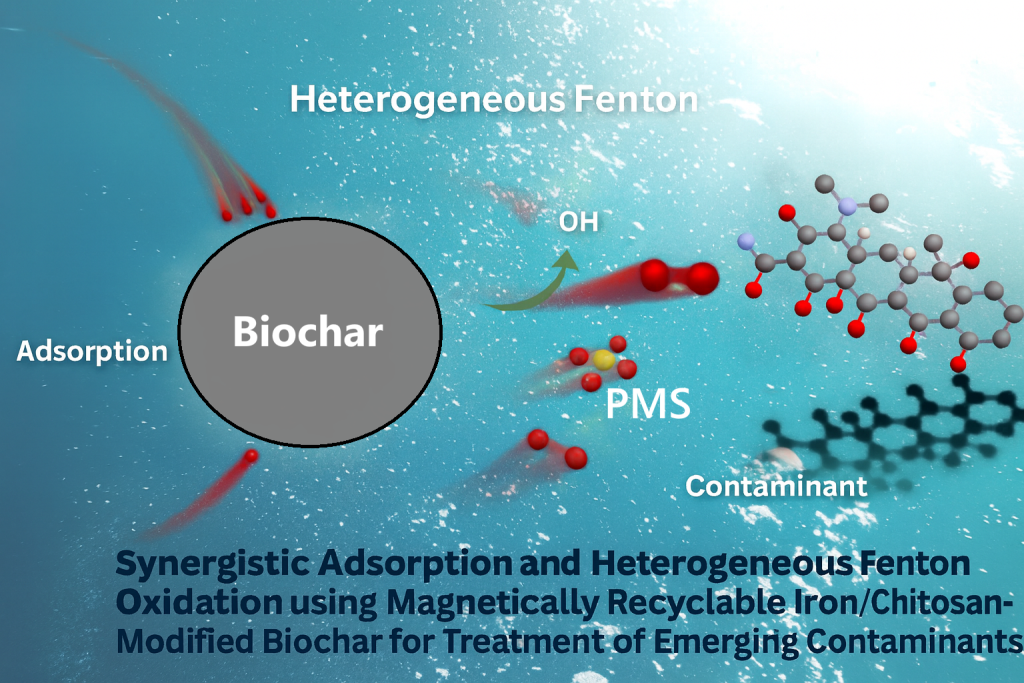
This study focuses on combining adsorption and advanced oxidation mechanisms to remove sulfamethoxazole (SMX), a widely detected antibiotic that contributes to environmental contamination and antibiotic resistance. Here’s a breakdown of the core concepts:
- Biochar: A carbon-rich, porous material derived from organic waste. Its high surface area enables effective pollutant adsorption, making it a sustainable option for water treatment technologies.
- Iron/Chitosan Modification: Incorporating iron introduces redox-active sites that boost adsorption and catalyze reactions, while chitosan improves stability and facilitates heterogeneous Fenton processes.
- Heterogeneous Fenton Oxidation: An advanced oxidation process in which iron catalyzes hydrogen peroxide (H₂O₂) to generate reactive species capable of breaking down contaminants at the molecular level.
The combination of these materials produces a synergistic effect, improving both adsorption capacity and oxidative degradation, particularly in dynamic conditions such as fixed-bed column systems.
Key Takeaways from PRIMA-SAFE’s Contribution
The SAFE team highlighted several important outcomes during their poster presentation:
- Hybrid Approaches for Sustainable Water Treatment: Integrating adsorption with heterogeneous Fenton oxidation enhances removal efficiency and supports low-cost, scalable treatment solutions.
- Enhanced Contaminant Degradation: The iron/chitosan-modified biochar demonstrated delayed breakthrough curves and stronger degradation performance, especially when combined with H₂O₂.
- Economic Viability: Operating costs below €1/m³ position this system as a cost-effective alternative to conventional technologies, which typically exceed €4/m³.
- Circular and Green Innovation: Using waste-derived biochar and recyclable magnetic components aligns the research with circular economy and environmental sustainability principles.
Why This Work Matters
Pharmaceutical pollution requires robust, affordable, and sustainable solutions. PRIMA-SAFE’s contribution demonstrates how natural materials, advanced oxidation processes, and column-based technologies can be integrated to address real-world water challenges.
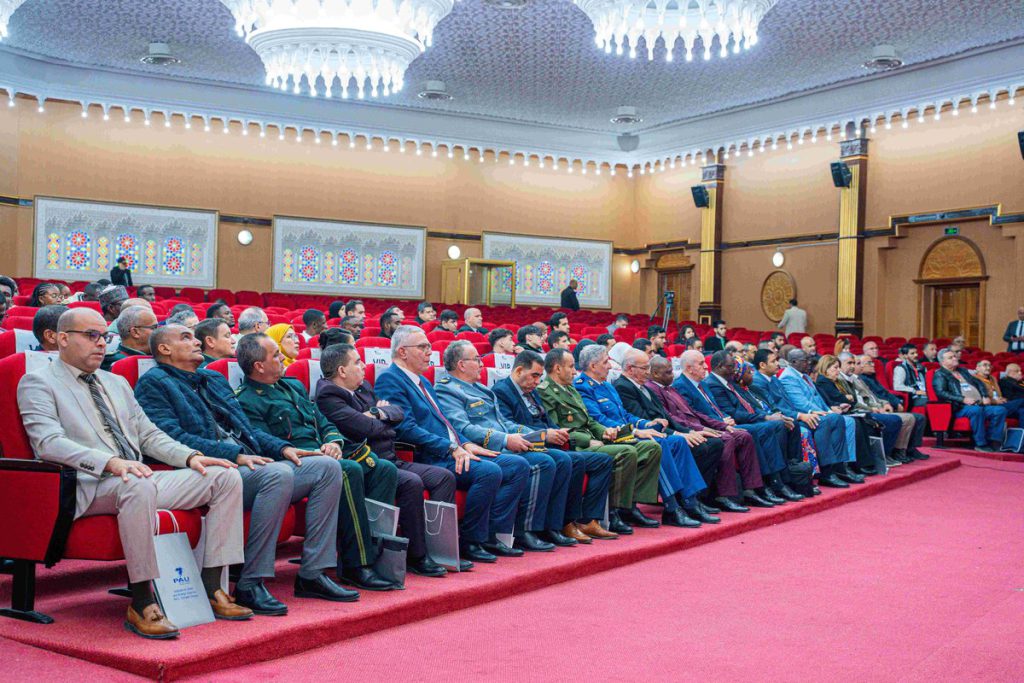
The Pan African University International Conference underscored the value of scientific collaboration and knowledge sharing. PRIMA-SAFE’s participation reflects its commitment to developing practical technologies that protect water resources and contribute to a more sustainable future.
For more updates on PRIMA-SAFE’s ongoing research and initiatives, stay connected with our platform!