Publication

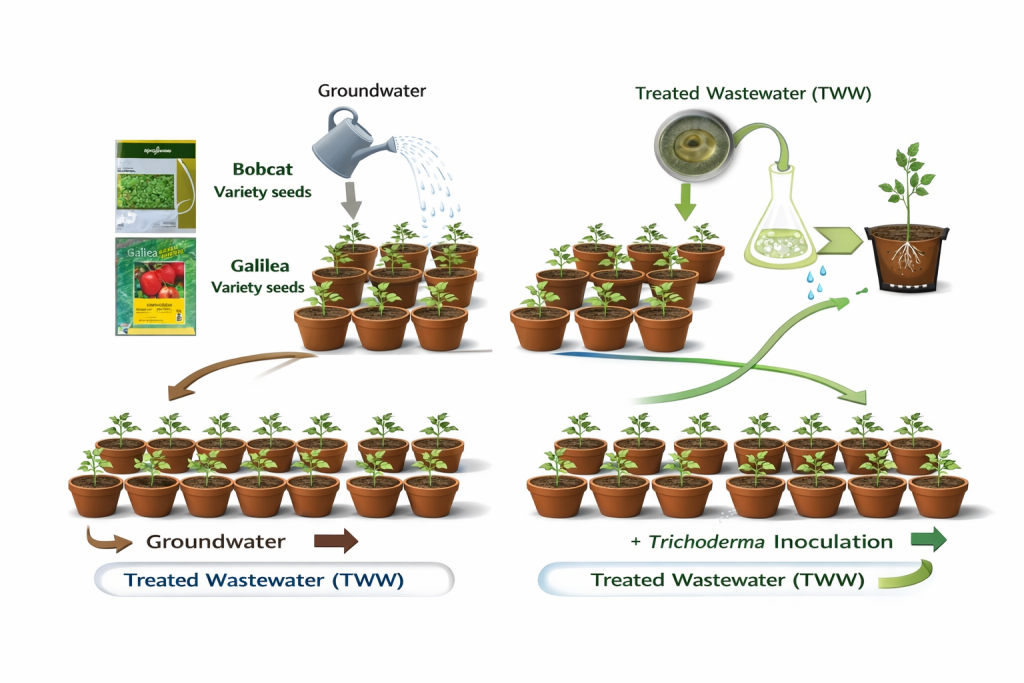
PRIMA-SAFE study highlights: treated wastewater plus Trichoderma boosts tomato growth and yield under greenhouse conditions

Why this work matters for PRIMA-SAFE Water scarcity is pushing Mediterranean and semi-arid regions to adopt alternative irrigation sources that reduce dependence on freshwater while keeping horticultural production stable. Within PRIMA-SAFE, safe treated wastewater reuse is not only about having enough water, but also about ensuring that agronomic performance, environmental compatibility, and safety criteria can …

PRIMA-SAFE study highlights: treated wastewater plus Trichoderma boosts tomato growth and yield under greenhouse conditions Read More »

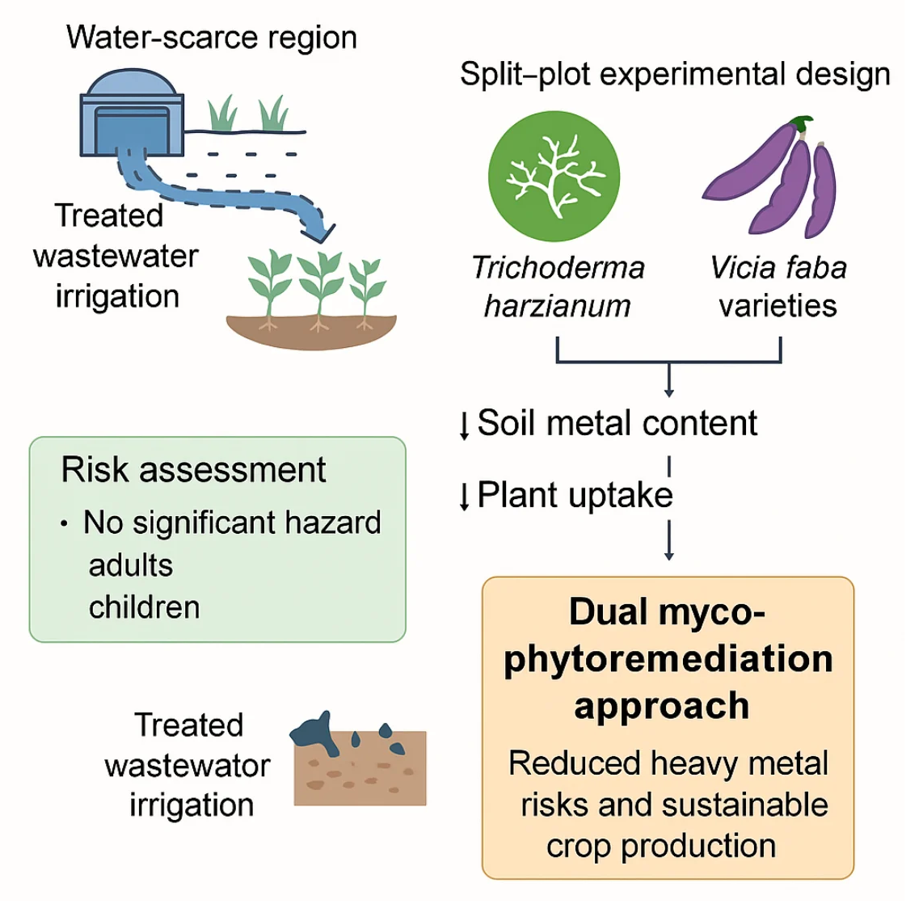
PRIMA-SAFE publication: a fungi–crop strategy to reduce heavy-metal risks under wastewater irrigation

What this new paper is about PRIMA-SAFE has a new open-access publication that addresses a very practical question for Mediterranean and water-scarce regions: when treated wastewater is reused for irrigation, how can we keep soils productive while reducing long-term concerns related to heavy metals and potential exposure risks? The study, published in Environments, explores an …

PRIMA-SAFE publication: a fungi–crop strategy to reduce heavy-metal risks under wastewater irrigation Read More »

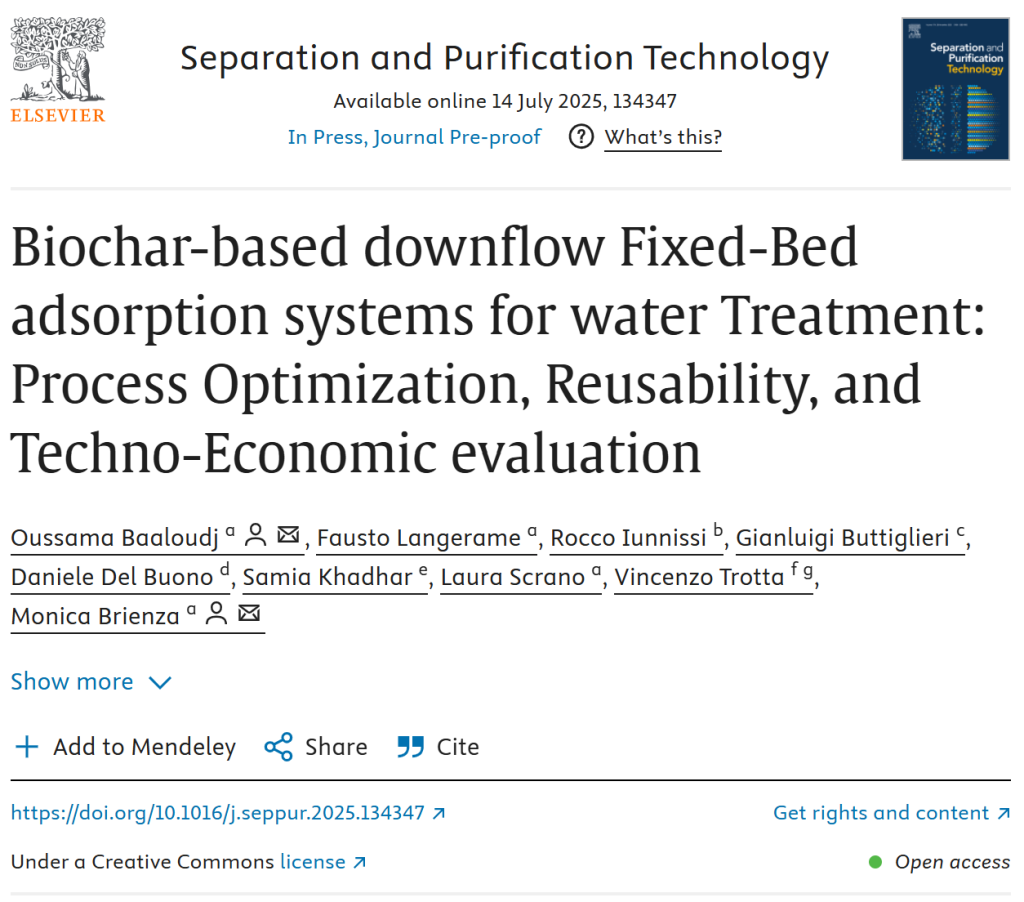
Open Access Publication Highlights Biochar-Based Adsorption for Scalable Water Treatment

As part of the research developed under the PRIMA-SAFE project, a new peer-reviewed article has been published in the high-impact journal Separation and Purification Technology (Impact Factor: 9). The paper, titled: “Biochar-based Downflow Fixed-Bed Adsorption Systems for Water Treatment: Process Optimization, Reusability, and Techno-Economic Evaluation”, offers fresh insight into sustainable, low-cost technologies for addressing one …

Open Access Publication Highlights Biochar-Based Adsorption for Scalable Water Treatment Read More »

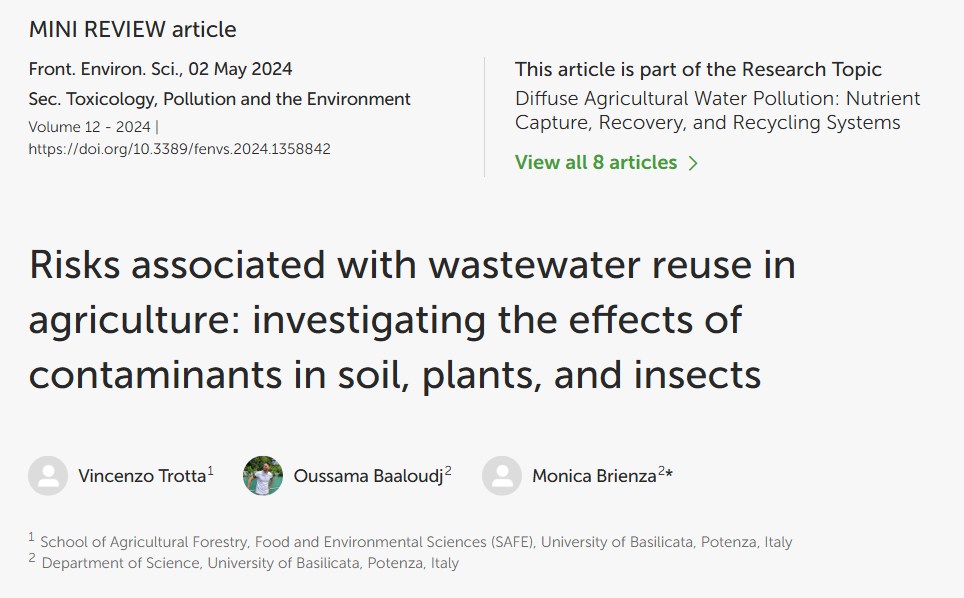
Risks and Benefits of Wastewater Reuse in Agriculture: A PRIMA-SAFE Perspective

As part of the work developed within the PRIMA-SAFE project, this review article published in Frontiers in Environmental Science offers a critical analysis of the environmental and health risks associated with the reuse of treated wastewater in agriculture. It highlights both the nutritional potential of wastewater and the risks posed by contaminants to soil, plants, …

Risks and Benefits of Wastewater Reuse in Agriculture: A PRIMA-SAFE Perspective Read More »

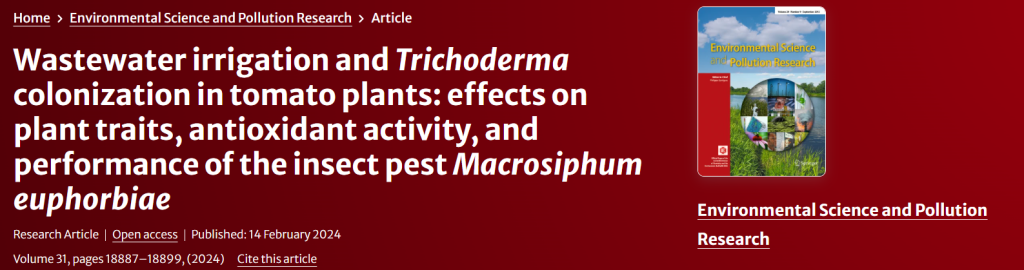
Trichoderma and Wastewater Irrigation: Impacts on Tomato Plant Traits and Aphid Performance

As part of the research conducted within the PRIMA-SAFE project, a study published in Environmental Science and Pollution Research evaluates the combined effects of wastewater irrigation and colonization by Trichoderma afroharzianum T-22 on tomato plants. The study examines plant growth, antioxidant responses, and the performance of the insect pest Macrosiphum euphorbiae. Key Findings Implications This …

Trichoderma and Wastewater Irrigation: Impacts on Tomato Plant Traits and Aphid Performance Read More »

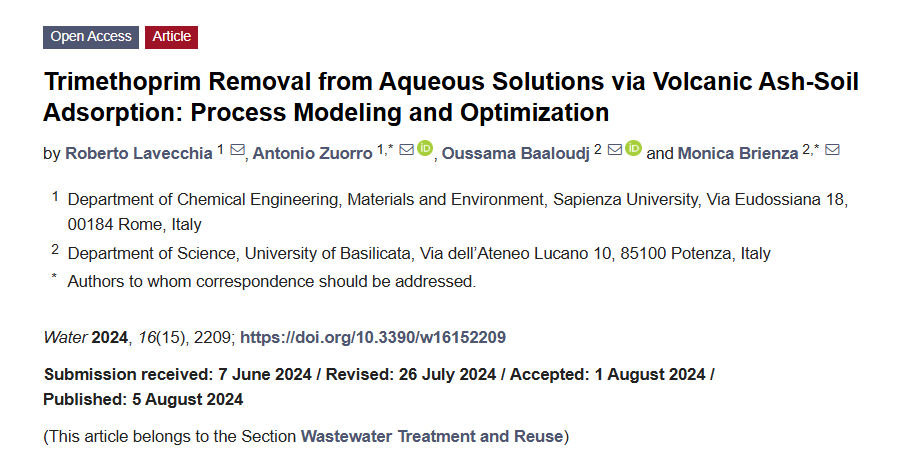
Volcanic Ash-Soil as a Sustainable Adsorbent for Trimethoprim Removal

Within the framework of the PRIMA-SAFE project, a new study published in Water investigates the use of volcanic ash-derived soil (VADS) as a sustainable and cost-effective adsorbent for removing trimethoprim (TRM)—a commonly detected antibiotic in reclaimed water. The research also applies Response Surface Methodology (RSM) to model and optimize the removal process, addressing critical challenges …

Volcanic Ash-Soil as a Sustainable Adsorbent for Trimethoprim Removal Read More »

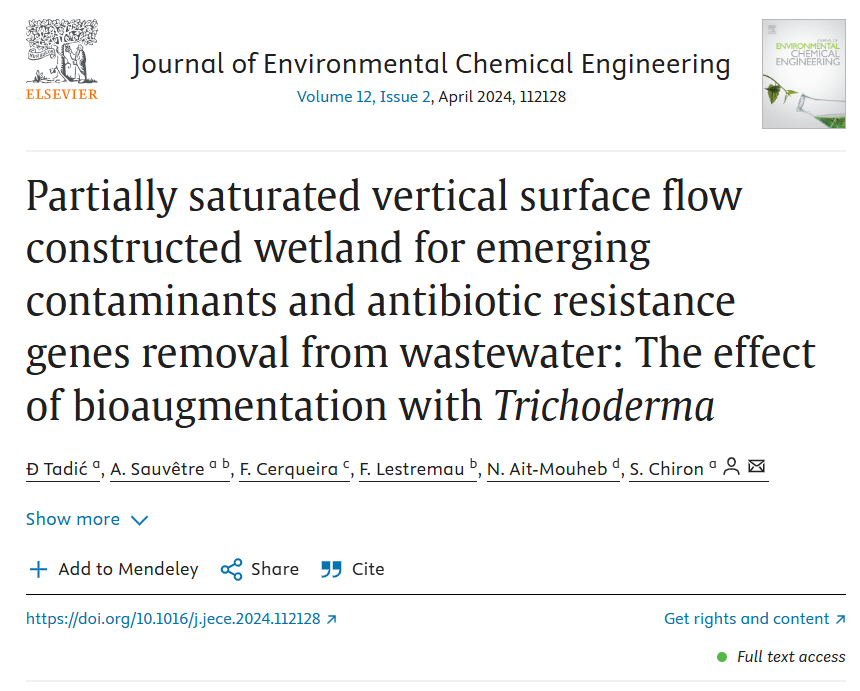
Bioaugmented Constructed Wetlands for Contaminant and ARGs Removal

his research, developed as part of the PRIMA-SAFE project and published in Journal of Environmental Chemical Engineering, investigates the use of constructed wetlands, enhanced with Trichoderma asperellum, for the removal of contaminants and antibiotic resistance genes (ARGs) from treated wastewater. Key Findings Implications This pilot-scale study provides valuable insights into the complexity of contaminant and …

Bioaugmented Constructed Wetlands for Contaminant and ARGs Removal Read More »

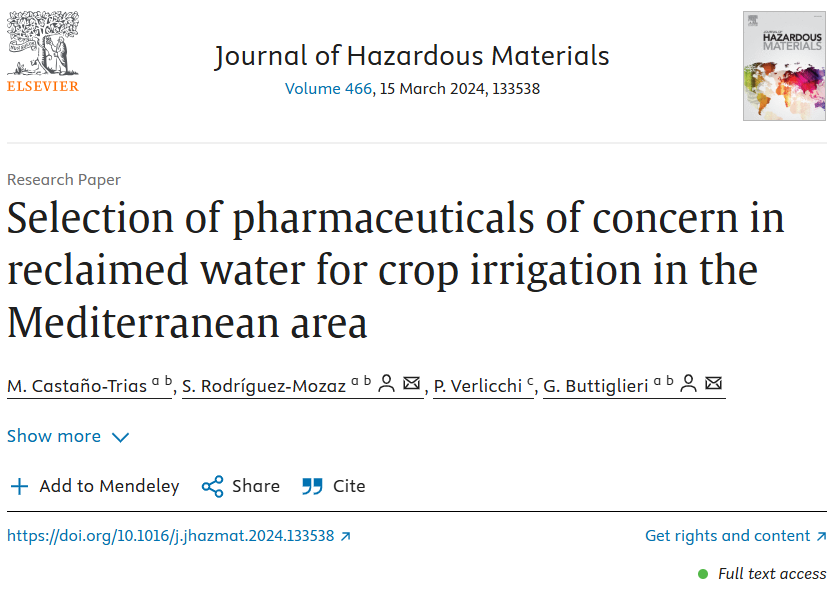
Selecting Pharmaceuticals of Concern in Reclaimed Water for Crop Irrigation

In the framework of the PrimaSAFE project, a recent study published in Journal of Hazardous Materials provides a comprehensive assessment of pharmaceutical compounds found in reclaimed water used for crop irrigation in the Mediterranean region. The research, conducted in Catalonia, Spain, aimed to identify those pharmaceuticals that pose the greatest risk to soil health, crop …

Selecting Pharmaceuticals of Concern in Reclaimed Water for Crop Irrigation Read More »

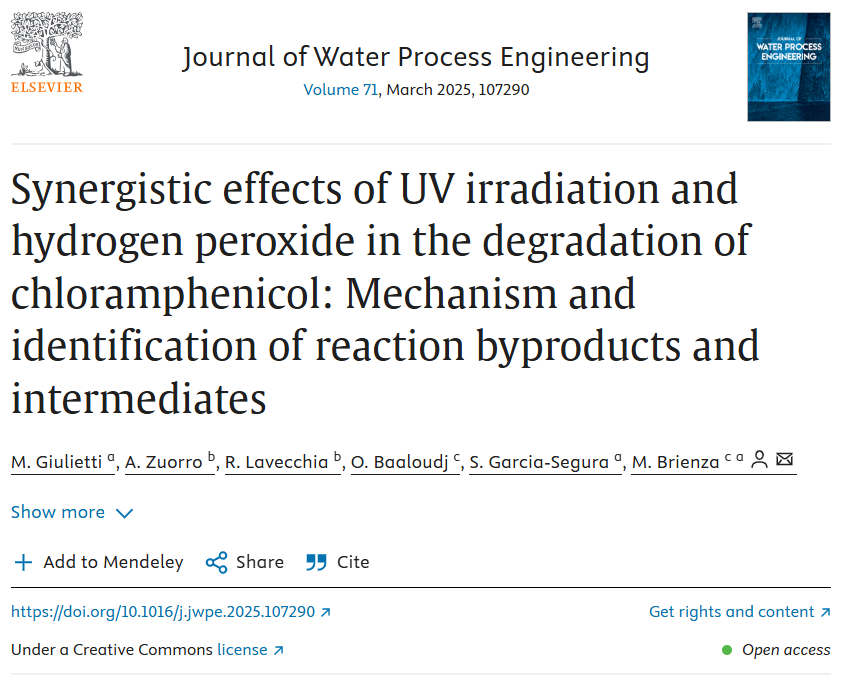
Advanced Oxidation for Antibiotic Removal: A Study on Chloramphenicol Degradation

Published within the scope of the PRIMA-SAFE project, this study in Journal of Hazardous Materials presents a systematic approach to identifying pharmaceuticals in reclaimed water that may pose risks when reused for crop irrigation. It provides a basis for safer water reuse strategies in Mediterranean agriculture. Key Findings Implications The findings demonstrate that UV/H₂O₂ treatment …

Advanced Oxidation for Antibiotic Removal: A Study on Chloramphenicol Degradation Read More »

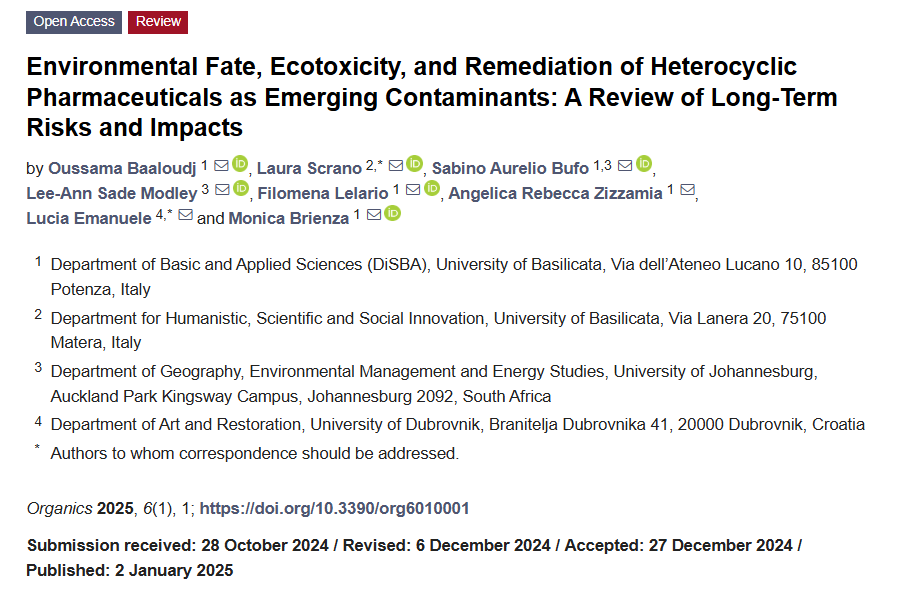
Heterocyclic Pharmaceuticals: A Growing Environmental Concern

Conducted within the framework of the PRIMA-SAFE project, a review published in Organics analyzes the occurrence, toxicity, and persistence of heterocyclic pharmaceuticals in water and soil. These widely used compounds are now recognized as critical emerging contaminants due to their resistance to degradation and potential ecological impact. Key Findings Implications The study highlights the urgent …

Heterocyclic Pharmaceuticals: A Growing Environmental Concern Read More »

Scroll to Top